
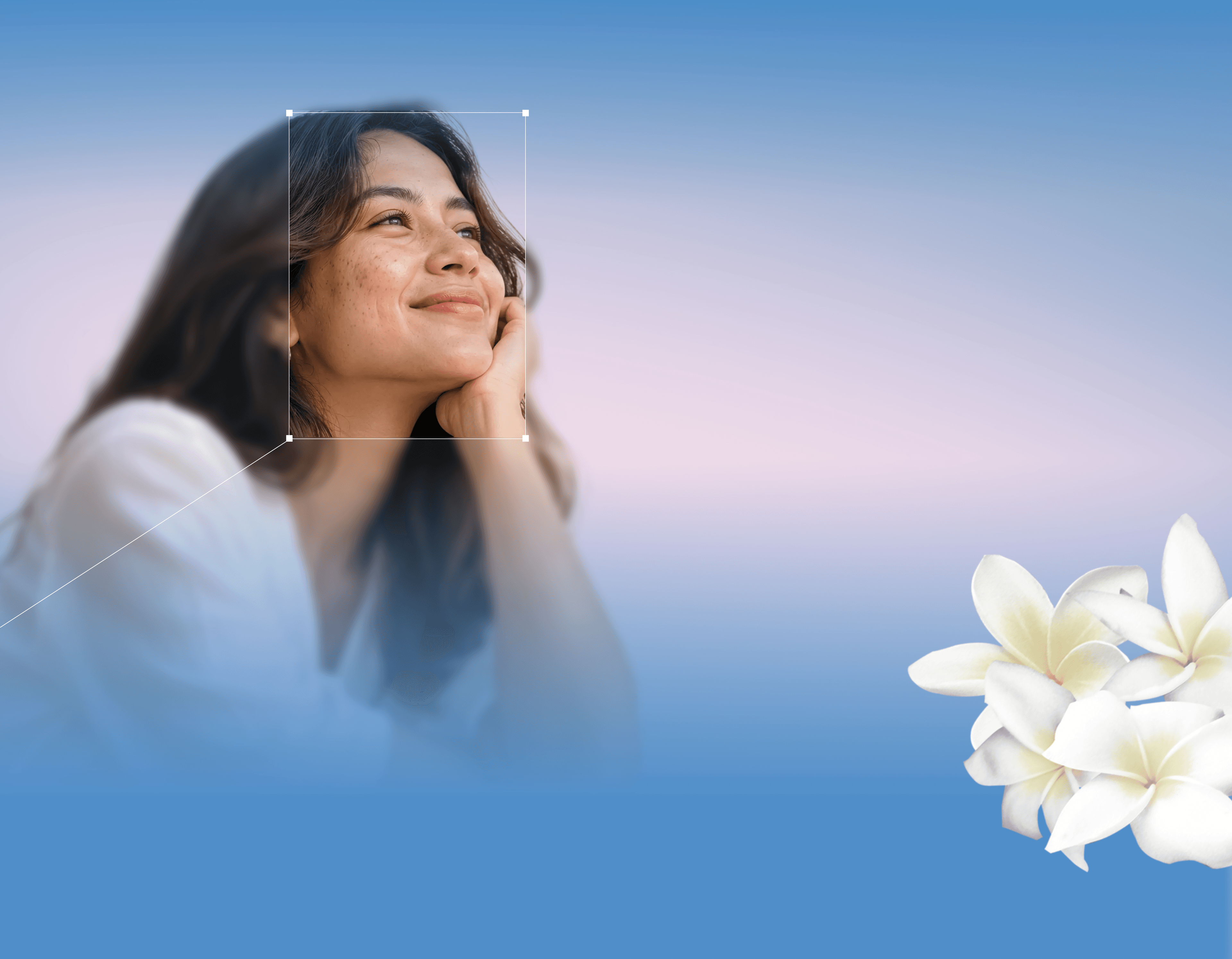


Indonesia's Independent Non-Profit Psychodermatology Community
Where skin healthmeets emotionalwell-being
A psychodermatology platform supporting people living with skin disease, in body and mind.
Understanding the connectionbetween skin and mind.

Skin
Dermatological health and skin conditions

Mind
Emotions, stress and psychological well-being
Skin conditions affect more than just your skin.
Living with a skin condition can influence how you feel, how you see yourself, and how you connect with others. Understanding this connection is an important step toward holistic well-being.
Skin disease affects mental health
Living with a skin condition can influence how you feel, how you see yourself, and how you connect with others. Understanding this connection is an important step toward holistic well-being.
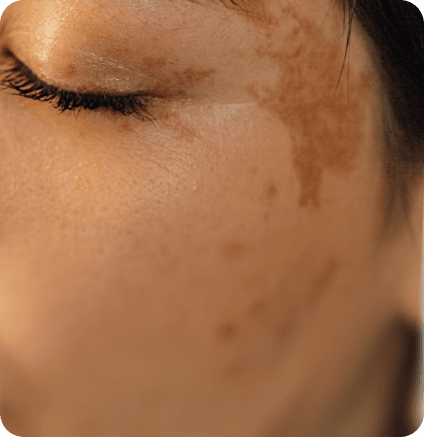
The Mind-Skin Link: Why Your Emotions Show on Your Skin
Our mental and emotional well-being influences the skin directly. When we feel stress or emotional anxiety, the skin reacts with inflammation, itching, or breakouts due to connections in the brain-skin axis.

Skin Care and Mental Health Shouldn't Exist in Silos
Traditional healthcare often divides skin and mental health care. Psychodermatology bridges this gap, showing how integrated skin and mental health support can achieve holistic, lasting outcomes.
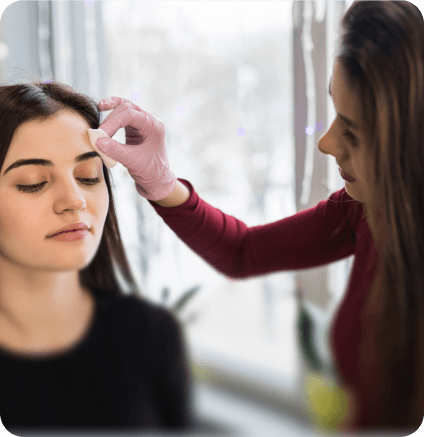



What is psychodermatology?
Positive emotional states trigger endorphins and dopamine that support the skin barrier and accelerate cellular repair.
A balanced lifestyle regulates autonomic nervous activity, reducing flare frequency and cutaneous sensitivity.
Optimizing sleep, nutrition, and mental health fosters a diverse skin microbiome and calm epidermal texture.
Mindful calm lowers systemic cortisol levels, soothing psychogenic itch and inflammatory outbreaks.
Chronic low mood impairs immune regulation, slowing wound healing and aggravating conditions like psoriasis.
Heightened sympathetic arousal causes vascular flushing, increased perspiration, and heightened nerve reactivity.
Acute and chronic stress release neurogenic neuropeptides, triggering eczema flares, hives, and barrier breakdown.
Persistent itch-scratch cycles and treatment distress lead to mechanical skin trauma and heightened sensitivity.
A community built around understanding, care, and connection.
Our Vision
Healthy Skin, Healthy Mind. To create a world where skin health and mental well-being are recognised as inseparable, and where every individual has access to knowledge, compassion, support, and holistic well-being.
Our Mission
The mission of Psychederm is to advance the integration of skin health and mental well-being through a comprehensive, multidisciplinary, and evidence-based approach, transforming the way individuals, healthcare professionals, and society understand and address the relationship between the skin and the mind.
What we do – Programs and services

Education
Providing accessible, evidence-based psychodermatology insights. We translate clinical research into practical resources covering the biological and emotional intersections of skin conditions and mental well-being.

Psychosocial Support
Dedicated emotional guidance and therapeutic coping tools designed specifically for individuals navigating the mental strain, social anxiety, and stress associated with chronic skin flare-ups.
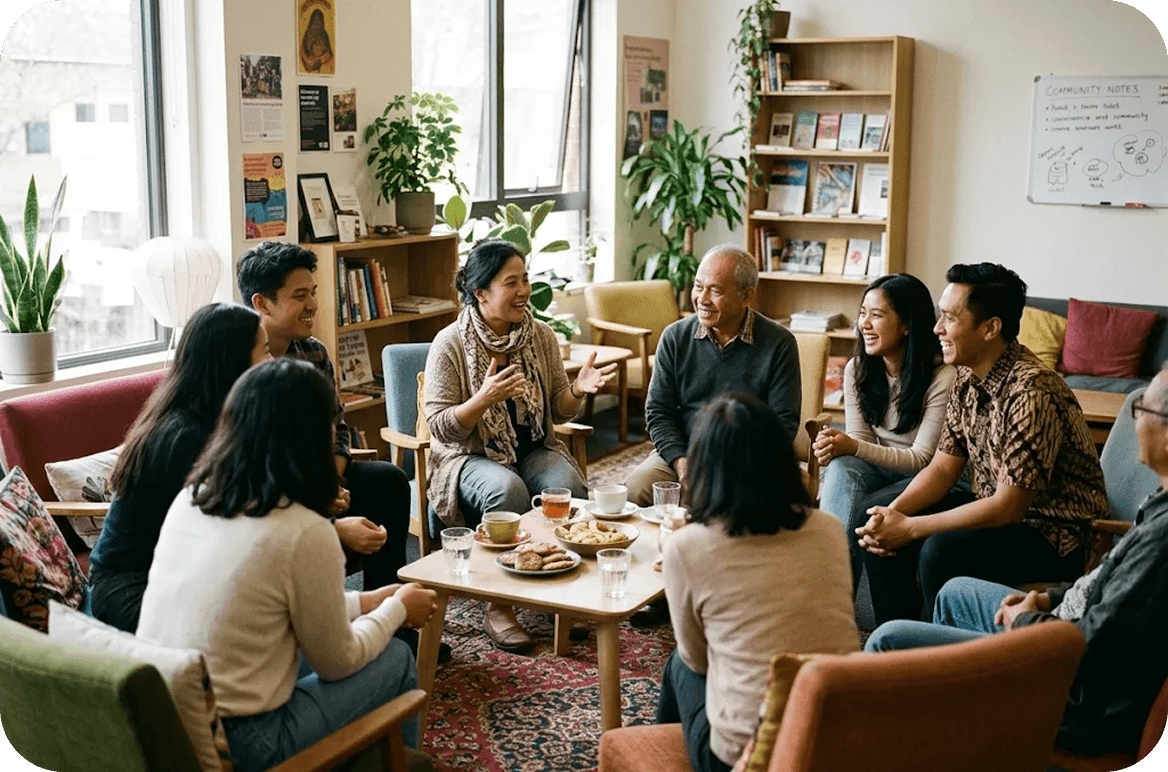
Community
A safe, judgment-free space built on shared experiences. Connect, share personal journeys, and exchange mutual encouragement with peers who truly understand the daily realities of skin challenges.
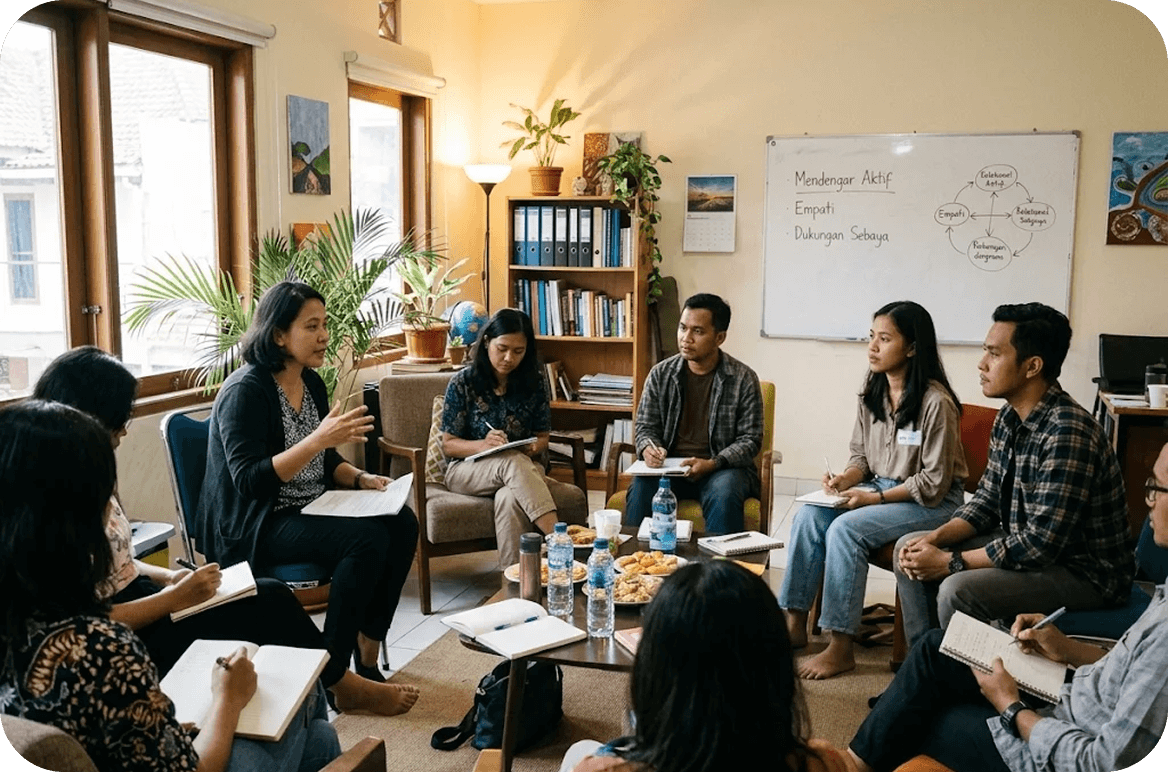
Peer Supporter Training
Structured training programs designed to equip active community members with active listening skills, empathy frameworks, and supervised mentorship protocols to guide fellow peers safely.
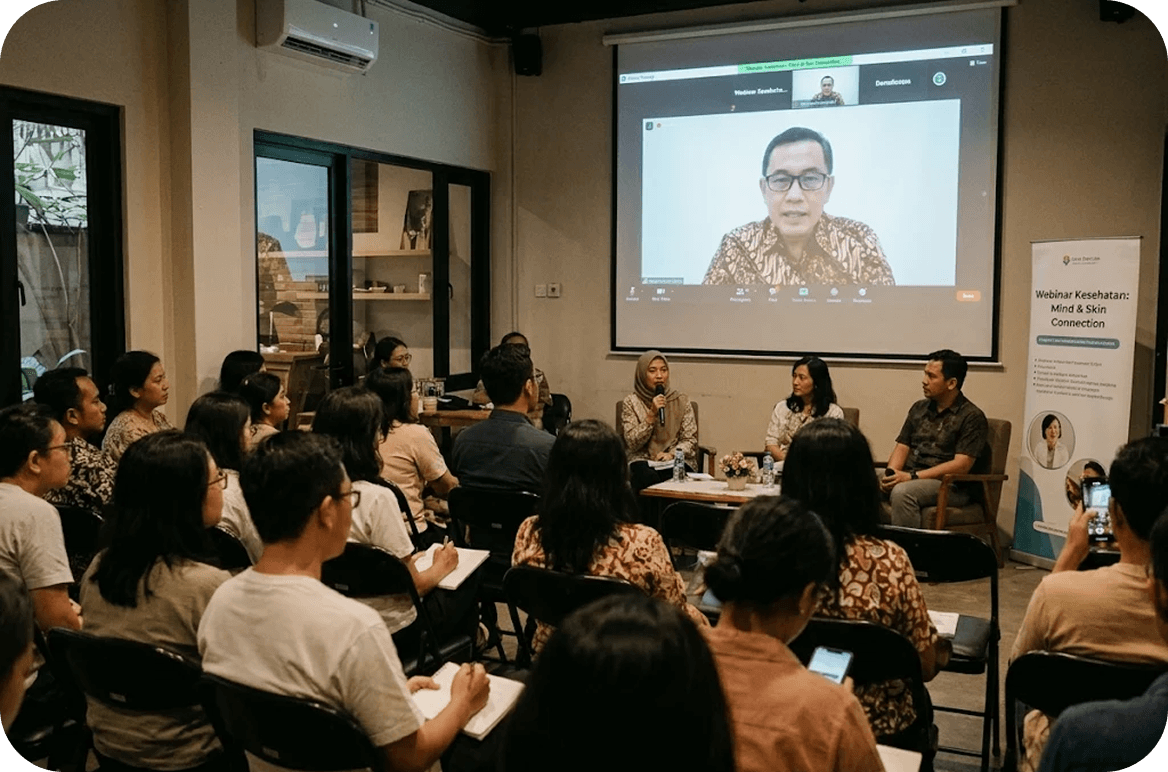
Webinars & Events
Interactive sessions featuring multidisciplinary specialists—dermatologists, psychologists, and wellness experts—alongside patient-led workshops focused on collaborative healing and practical care.
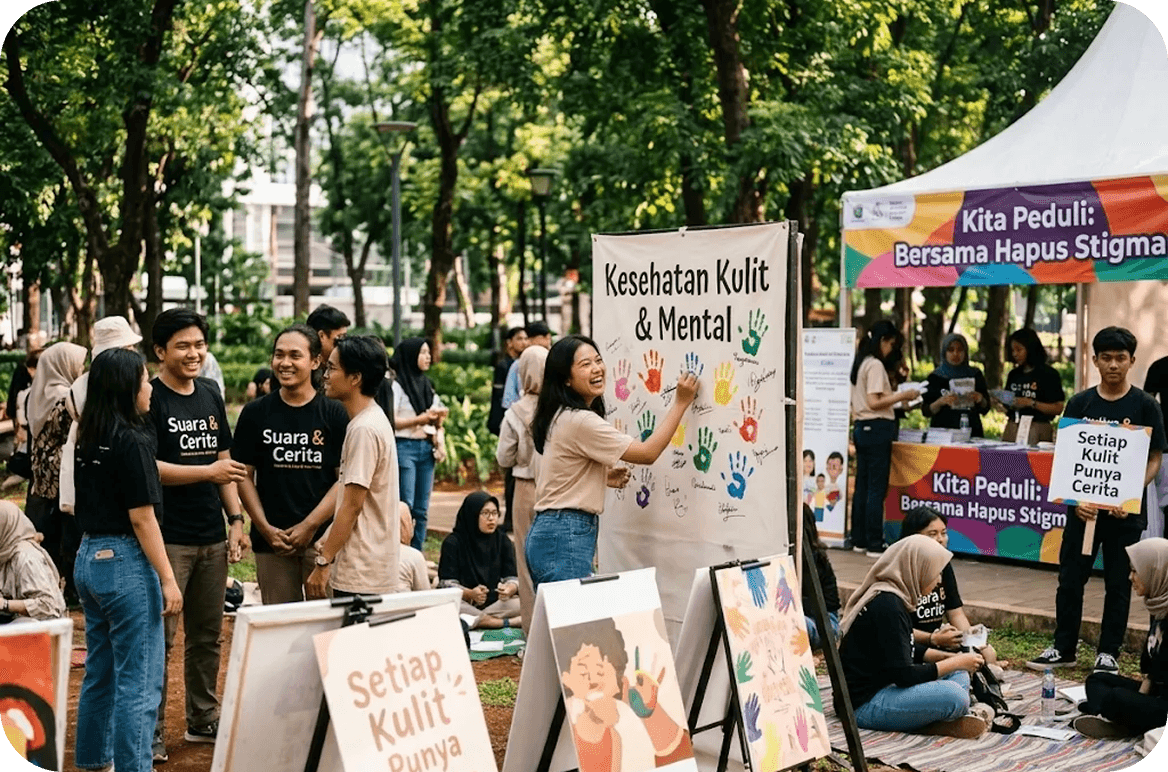
Advocacy & Awareness
Challenging societal beauty norms and dismantling the stigma around visible skin differences through public advocacy, educational campaigns, and open community storytelling.
Support for everyone connected to the skin and mind journey.
Every skin condition deserves understanding.
Your journey starts with understanding.
LearnUnderstanding the Connection
Discoverreliable,evidence-basedinformationaboutthedeepconnectionbetweenskinhealthandemotionalwell-being.


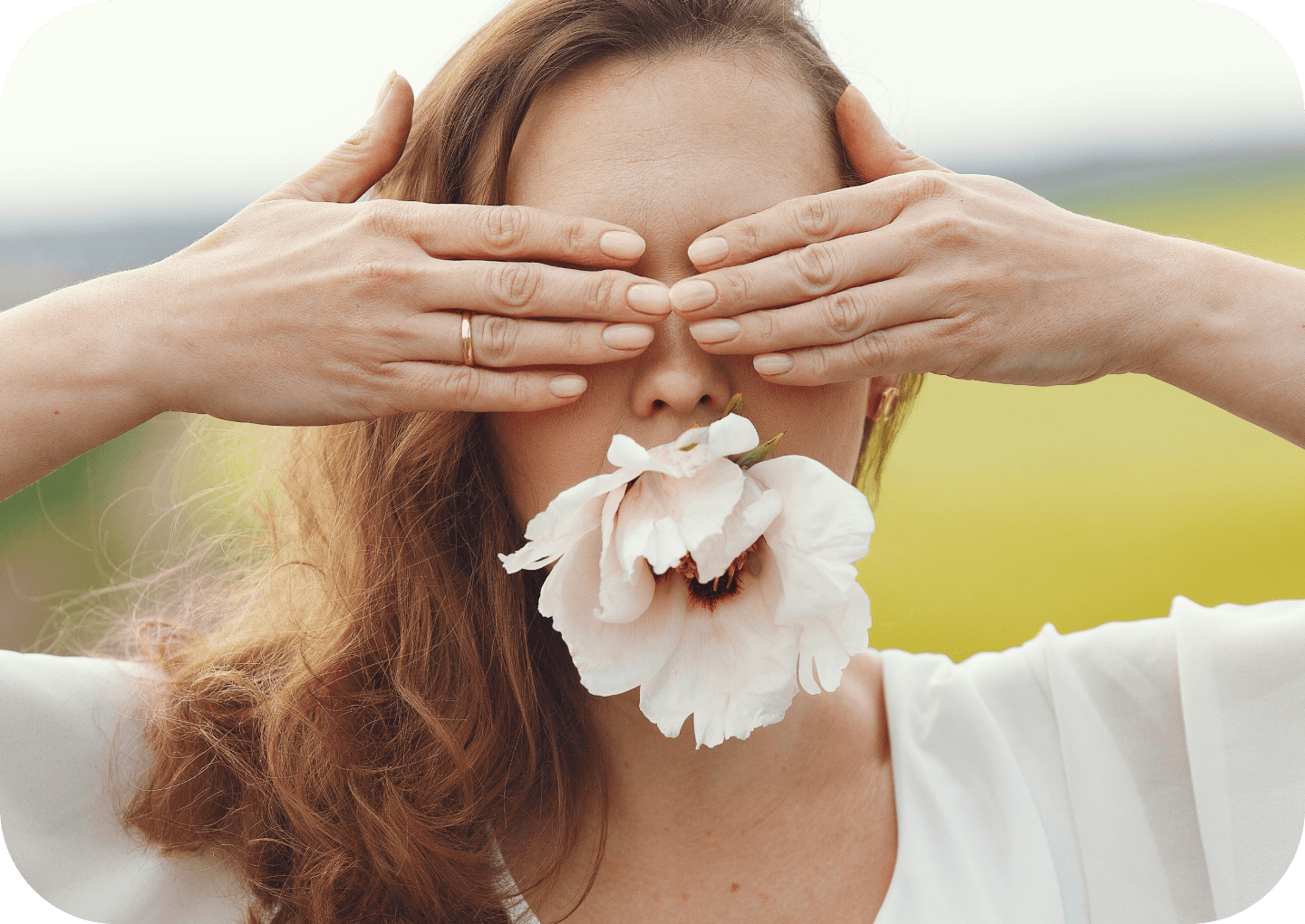
Experts and advisory board
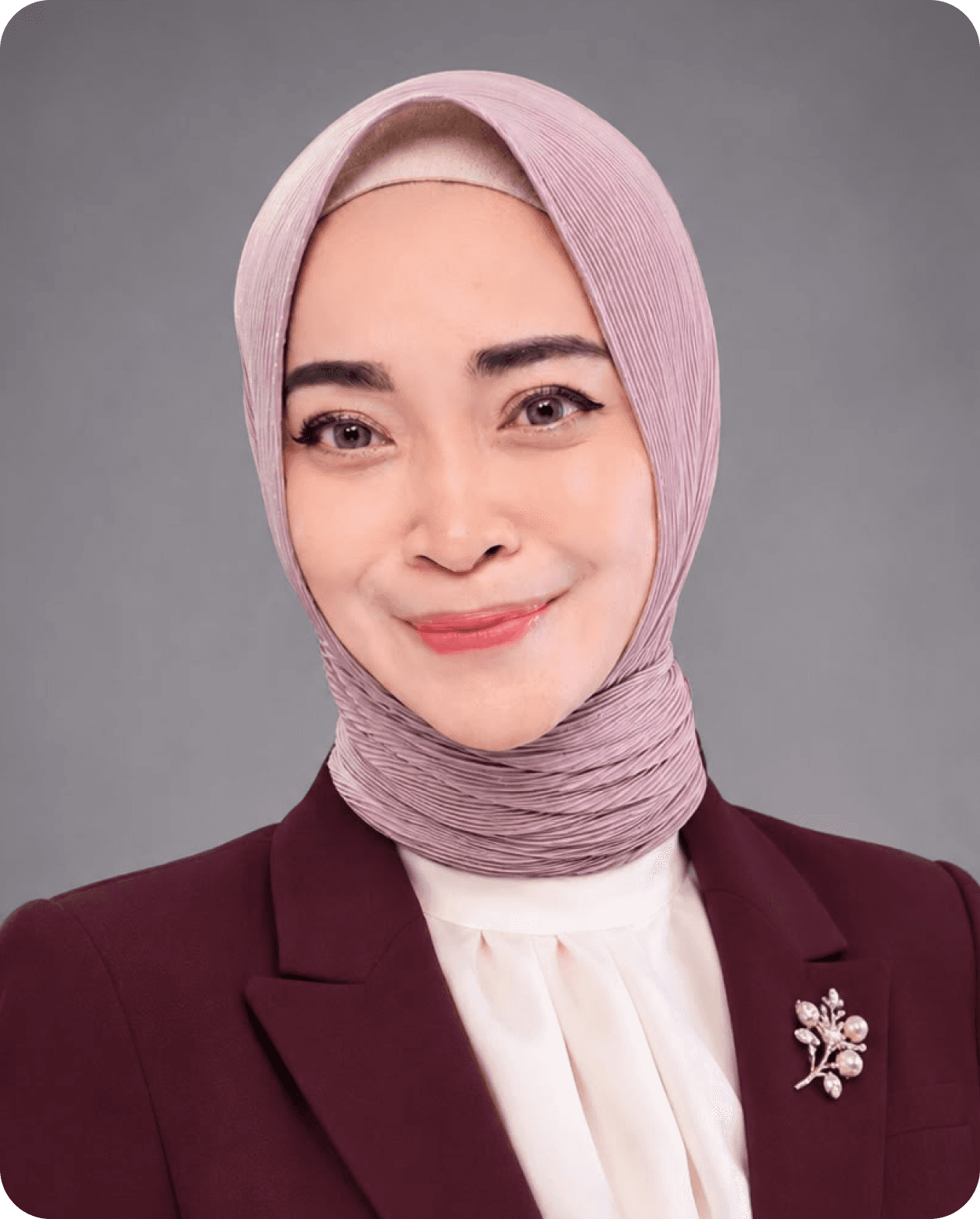
Dr. Galih Sari Damayanti
Founder, Chair, and Head of Dermatologist Expert
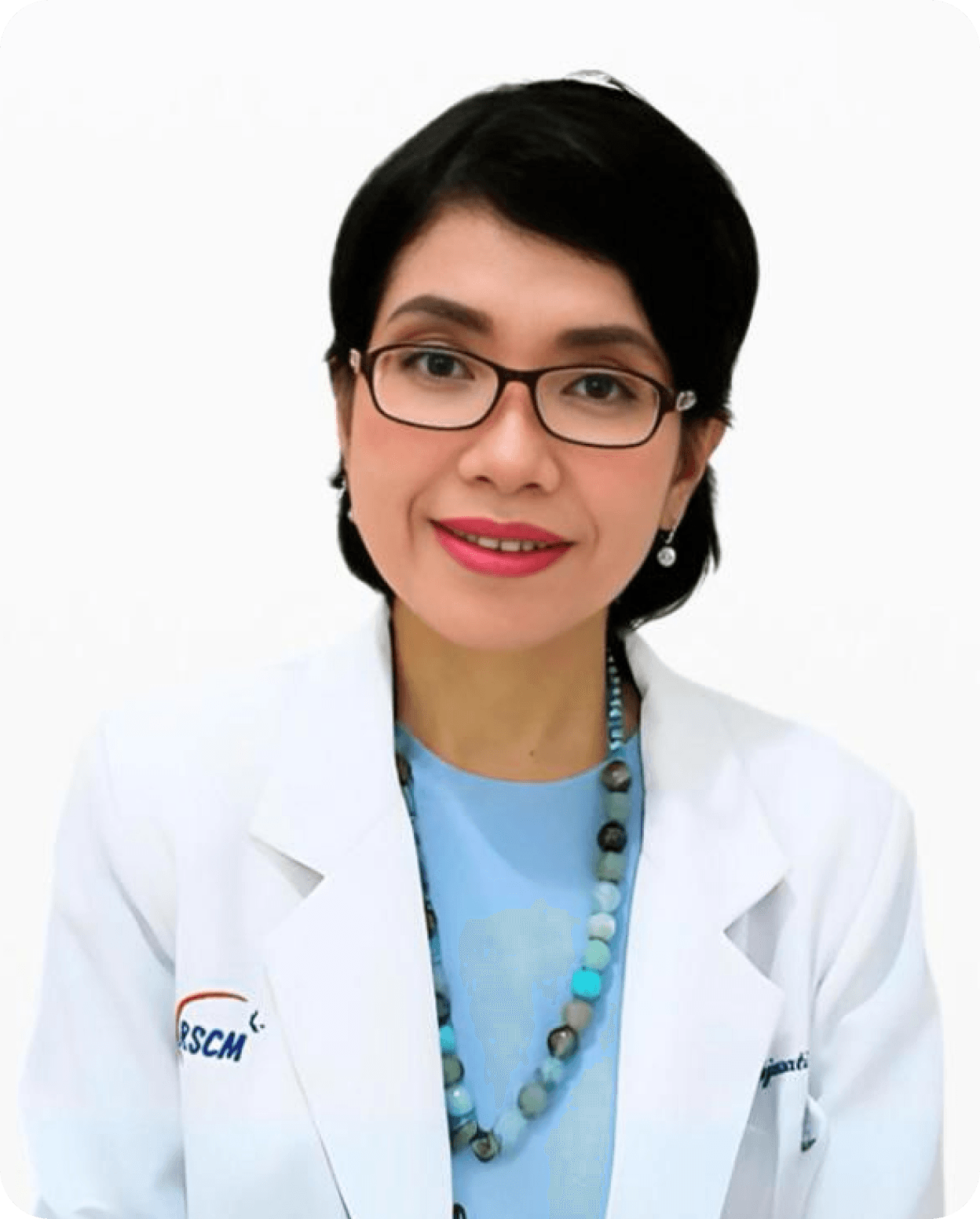
Prof. Lili Legiawati
Sp. DVE, Subsp. D.K.E, FINSDV, FAADV
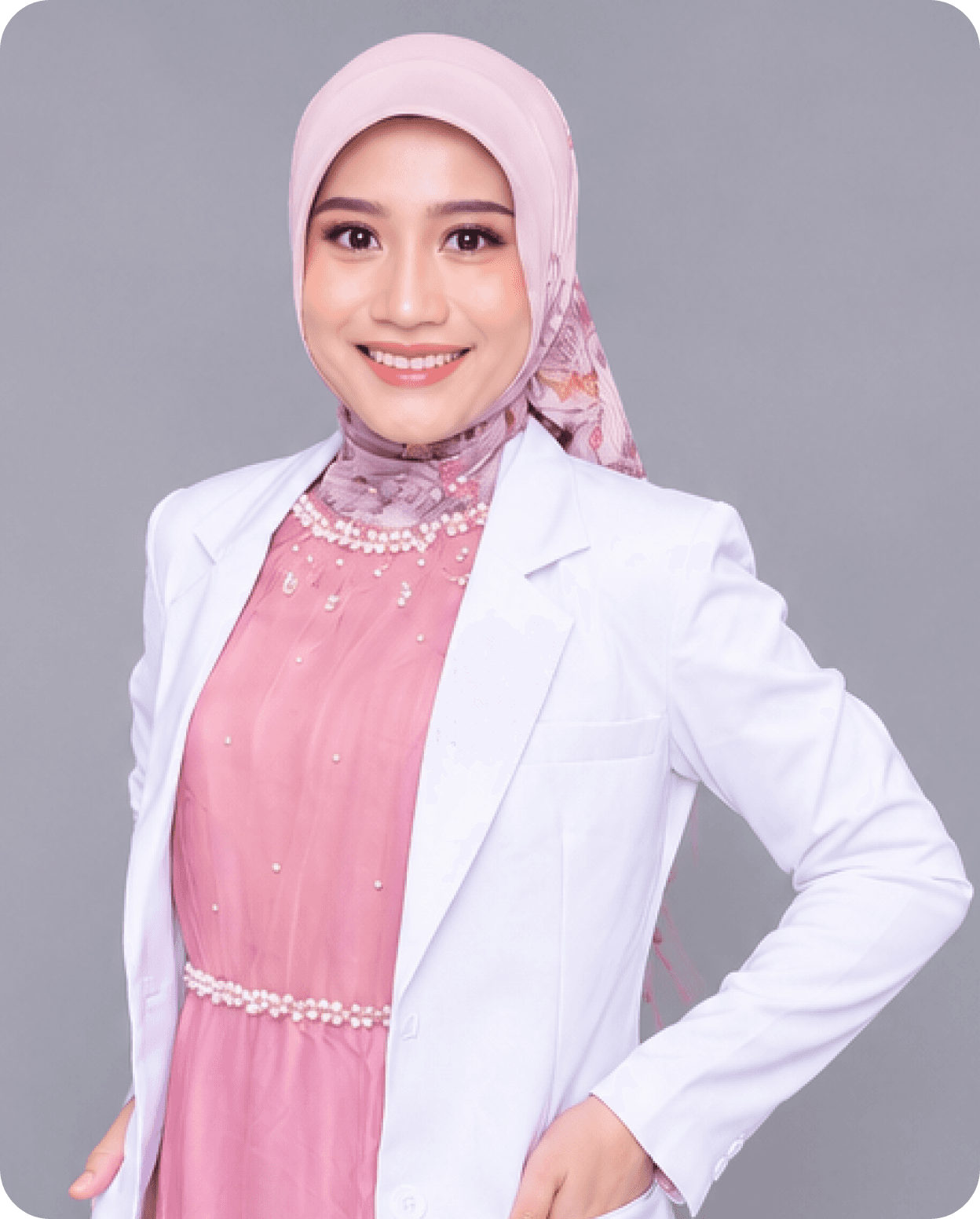
Dr. Danang Tri Wahyudi
Sp. DVE, Subsp. O.B.K, FINSDV, FAADV
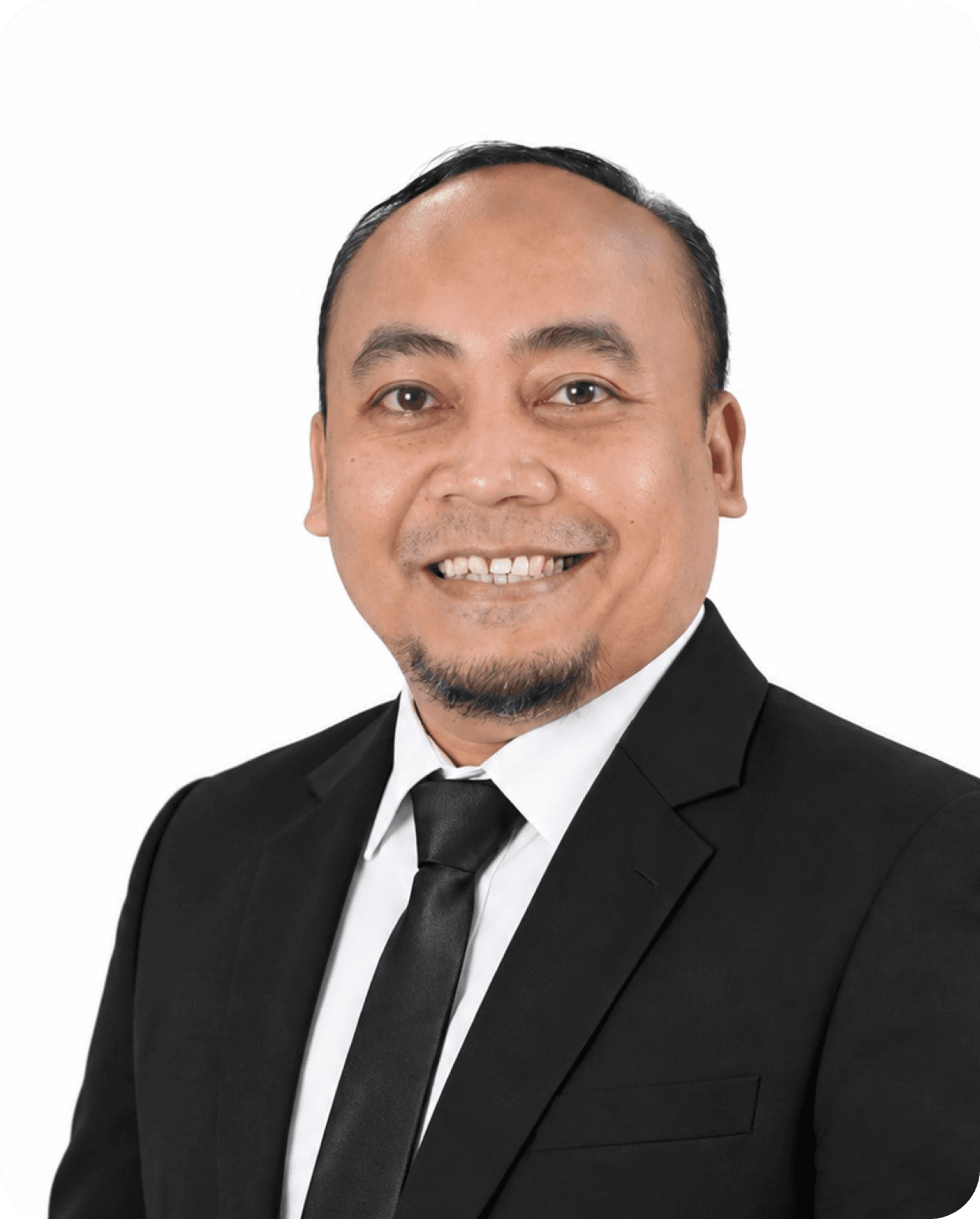
Dr. Era Catur Prasetya
Sp. KJ(K), MM
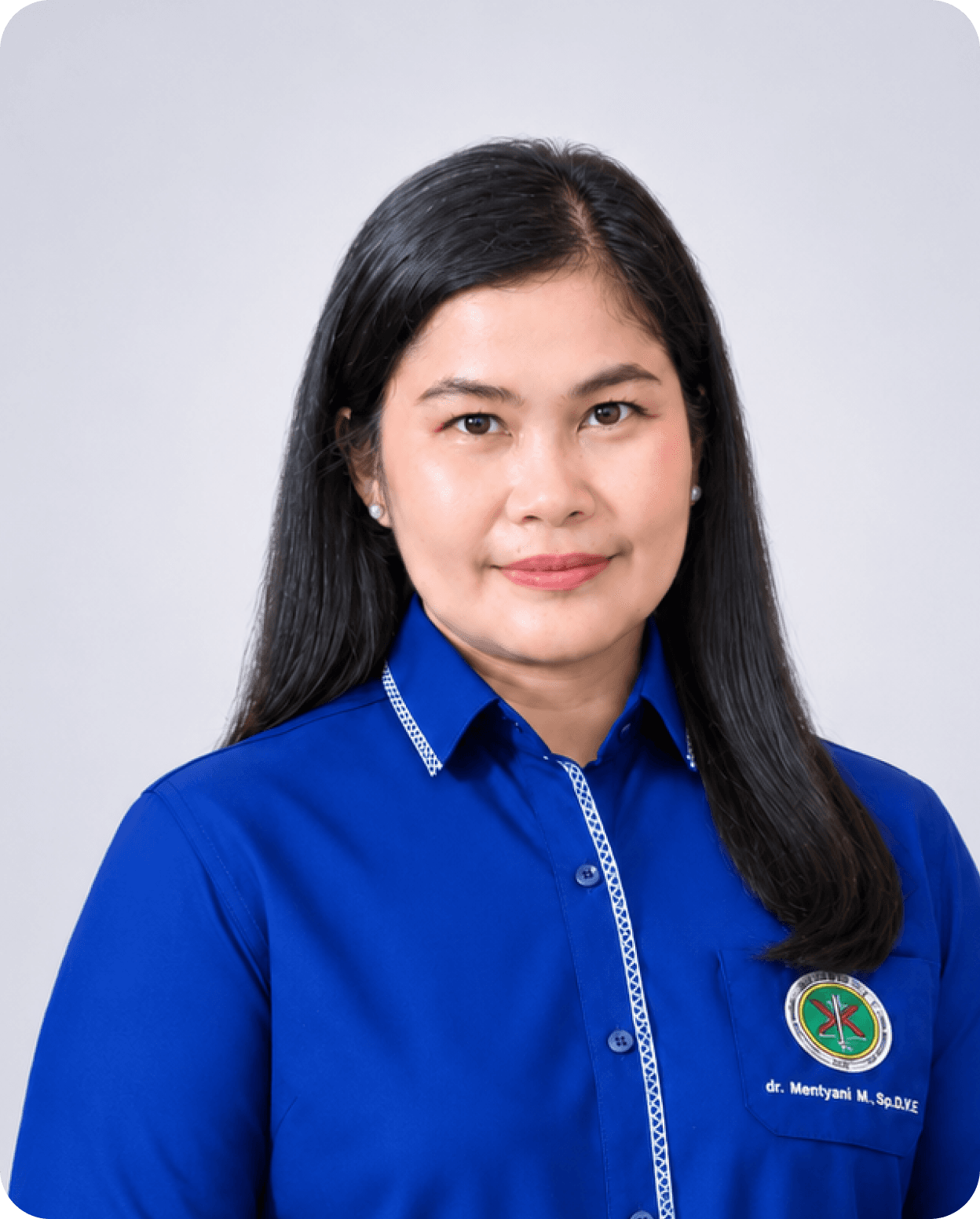
Dr. Herliyani M. Purba
Sp. DVE, FINSDV, FAADV
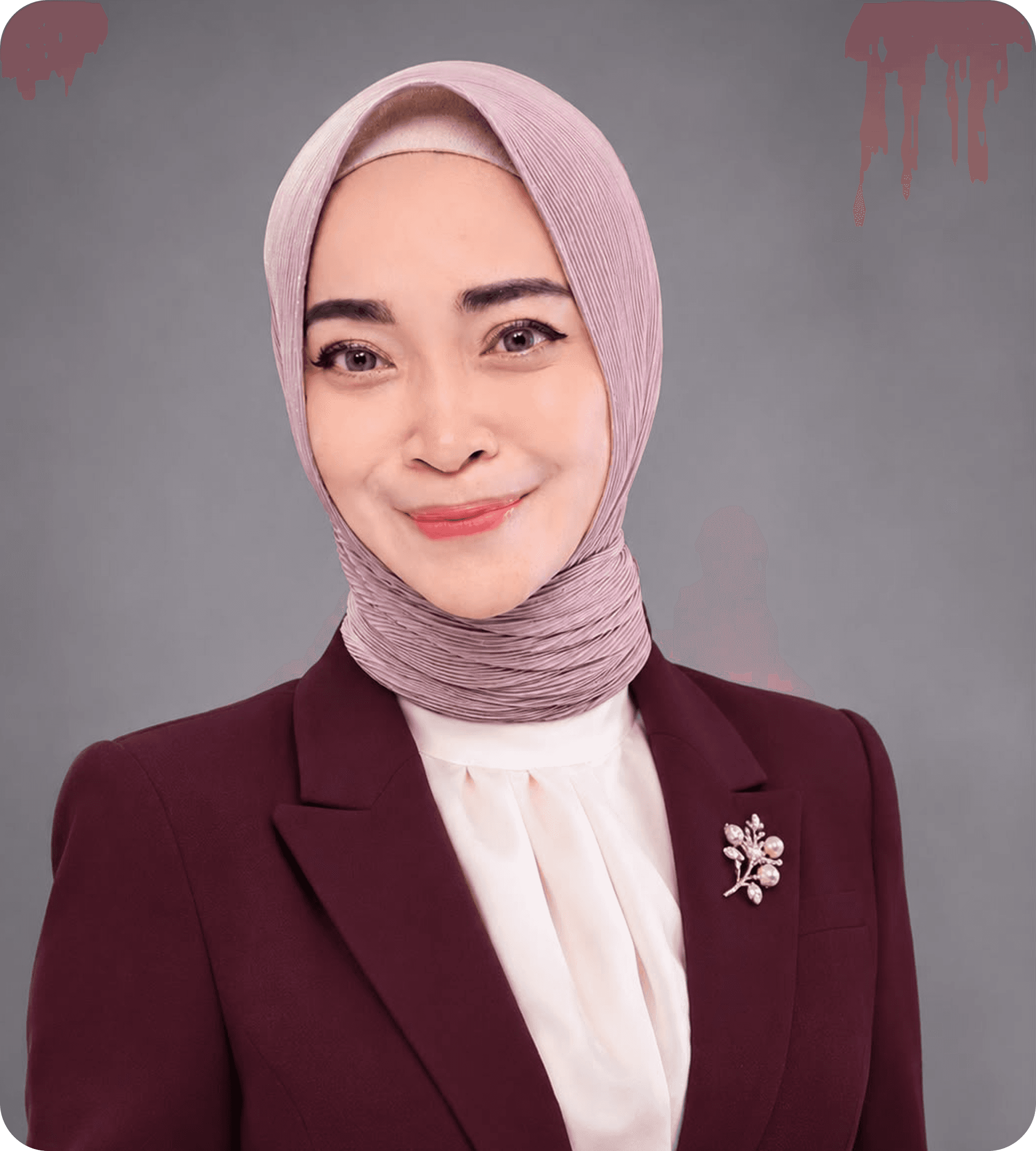
Bridging Skin and Mind, Connecting Lives
Dr. Galih Sari Damayanti, Sp.DVE, FINSDV, FAADV
Founder, Chair, and Head of Dermatologist Expert Team of Psychederm
“Throughout my journey as a dermatologist, I have come to understand that skin conditions are never simply about the skin. Behind every visible condition, there may be an invisible emotional struggle, an untold story, and a person who wishes to be understood beyond their physical appearance.”
Psychederm was born from a belief that skin health and mental well-being are inseparable, and that every individual deserves a holistic, compassionate, and scientifically grounded approach to their well-being.
My vision is to create a community where science meets compassion, where healthcare professionals work beyond disciplinary boundaries, and where individuals living with skin conditions feel heard, understood, supported, and empowered.
Through education, multidisciplinary collaboration, psychosocial support, research, and advocacy, we aspire to bridge the gap between dermatology and mental health, while building a more empathetic and inclusive society.
Founded in Indonesia with a global vision, Psychederm is more than a community. It is a movement towards transforming the way we understand skin health, mental well-being, and the human experience.
Together, let us create a world where no one feels defined by their skin condition, where every story matters, and where no one has to walk their journey alone.
Healthy Skin. Healthy Mind.
With hope and compassion,

Psychodermatology Bridge
Integrating mind-skin clinical care pathways

Multidisciplinary Board
Guiding 24+ medical specialists across disciplines
StartinginIndonesia,Psychedermenvisionsafuturewhereskinhealthandmentalwell-beingreceiveequalattentionthrougheducation,communityengagement,andcollaboration.
Be part of a community that understands.
Together, we can create a world where people living with skin conditions feel seen, supported, and understood.

Volunteer
Offer your skills in translation, community moderation, event design, or social media.

Become a Peer Supporter
Join our supervised training cohort and hold safe, non-judgmental space for fellow patients.

Partner With Us
For clinics, universities, medical societies, and workplaces looking to champion skin equity.

Support Our Mission
Monthly digests of breakthrough psychodermatology science, webinar tickets, and stories.
Understanding Your Skin, Understanding Your Mind
Mengenal Psikodermatologi | Understanding Psychodermatology
When Should I Seek Help?
If your skin condition begins to affect your happiness, confidence, sleep, relationships, or daily activities, do not hesitate to seek support from a dermatologist, clinical psychologist, or psychiatrist. If you experience thoughts of self-harm or suicide, seek emergency medical assistance immediately.
Healthy Skin, Healthy Mind. You are not alone.